01
Identity and access controls
Design sign-in, session and permission models around actual user roles and the sensitivity of each action.
- Role-based permissions
- Secure session or token handling
- Least-privilege access
 KEEN SYSTEMSGet a Quote
Reduce avoidable software risk with secure authentication, role-based permissions, defensive API design, dependency maintenance and audit visibility integrated throughout delivery.

We focus on the controls that protect everyday software operations: who can access what, how data enters an application, how sensitive actions are recorded, how dependencies are maintained and how teams respond to operational issues.
A focused delivery scope can combine the capabilities below or start with the highest-priority operational need.
Design sign-in, session and permission models around actual user roles and the sensitivity of each action.
Reduce common application risks through validation, defensive design, safe error handling and careful data access patterns.
Maintain the software and create records that help teams understand important actions and production issues.
Examples of the operational problems this solution can be designed to support.
Strengthen access, data handling and accountability in systems that hold customer, healthcare or financial workflows.
Separate permissions by role and protect high-impact actions such as approvals, exports and configuration changes.
Review authentication, validation, data exposure and error behaviour across application integrations.
Keep dependencies, access patterns and operational controls under review as a platform evolves.
Technology choices are made around integration needs, data boundaries, operating conditions and the team that will maintain the system—not a one-size-fits-all checklist.
A staged path keeps the important decisions visible and gives teams review points throughout delivery.
We map the business goal, current systems, available data, users, risks and practical constraints before recommending an approach.
The solution is broken into clear modules, integrations, milestones and acceptance criteria so the delivery path stays visible.
We develop in reviewable stages, connect the required systems and validate the important workflows, security controls and edge cases.
After release, we support production use, monitor the system and improve it using real operational feedback.
Published work that demonstrates relevant technology or workflow experience.
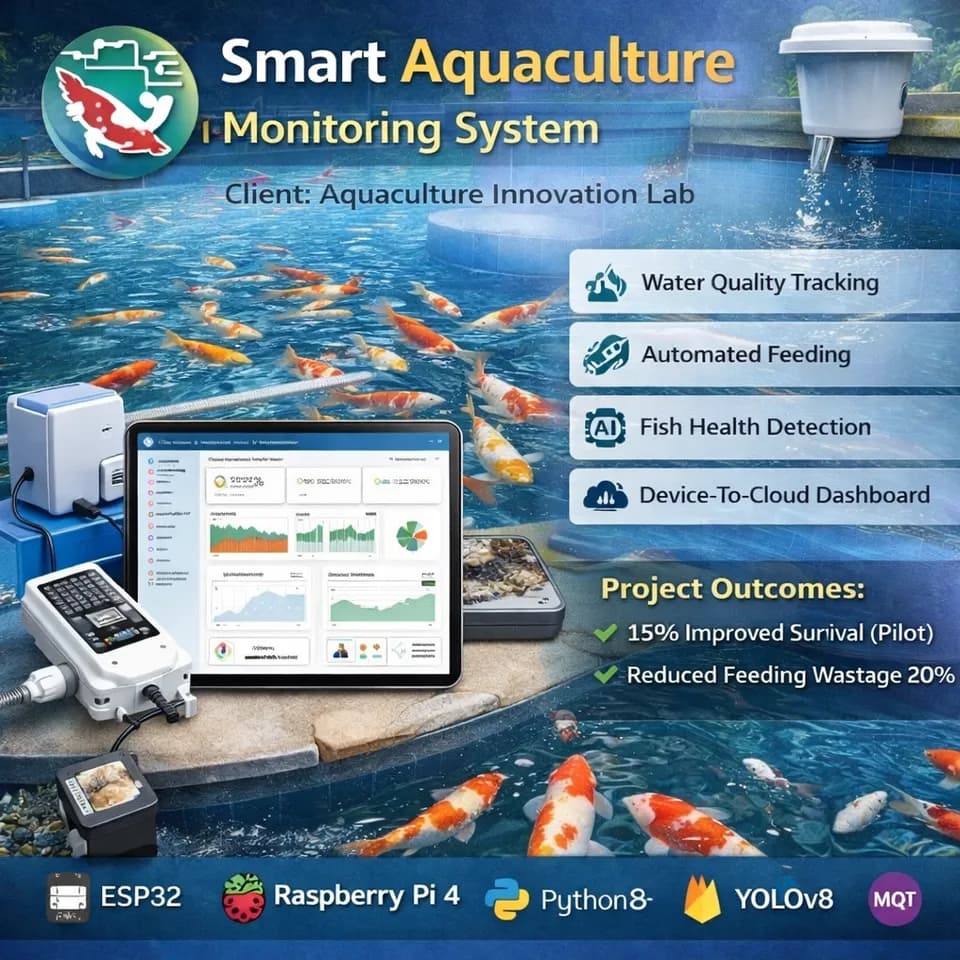
Call-centre booking, cancellation, doctor schedules, patient records and support ticket management with JWT-based authentication.
Clear answers to the questions teams commonly ask before scoping a project.
Our core scope is secure application delivery, access control, maintenance and operational review. When a project needs an independent penetration test or formal compliance audit, that specialist assessment should be scoped separately.
We define permissions around user roles and specific actions, enforce them on the server, validate incoming data and record important activities where accountability is required.
Yes. A review can cover authentication, permissions, API boundaries, data access, dependencies, logging and deployment practices. The depth depends on the system and the agreed scope.
No. Software, dependencies and operating conditions change. Security controls need maintenance, patching, monitoring and periodic review throughout the system lifecycle.
 Business ManagementERP & POS
Cloud ERP and offline-capable point-of-sale for retail, wholesale and multi-branch businesses.
View solution Applied Artificial IntelligenceAI & ML Development
Prediction models, intelligent dashboards and automation built around real operational data.
View solution Connected Devices and AutomationIoT Systems
Device-to-cloud monitoring, MQTT telemetry, automation controls and live field dashboards.
View solution Cloud Engineering and DevOpsCloud Solutions
Scalable infrastructure, managed releases, container orchestration and uptime visibility.
View solution Operations and Workflow SoftwareBusiness Platforms
Booking, approvals, support, procurement and customer portals connected around your workflow.
View solution Cross-platform Mobile DevelopmentMobile Apps
Connected mobile experiences for customers, teams and field operations across iOS and Android.
View solutionTell Keen Systems what you need to improve, what systems are already in place and who will use the solution.