Internal business platforms
Role-aware systems for operations, approvals, finance, teams and management visibility.
 KEEN SYSTEMSGet a Quote
We design and engineer web applications, mobile products, portals and internal systems around real users, operating rules and integration needs—from first discovery through production support.

Discovery focuses the investment on the decisions, users and constraints that matter. It also creates a practical basis for scope, architecture and acceptance.

We map the current process, business events, roles, data sources, exceptions and desired outcomes. The result is a shared picture of what should change—and what should stay outside the first release.
The format follows the operating need: focused workflow tool, customer experience, connected business platform or a staged replacement for ageing software.
Role-aware systems for operations, approvals, finance, teams and management visibility.
Secure self-service experiences for customers, suppliers, agents and delivery partners.
Field, sales and customer apps designed around touch, connectivity and device context.
Digital hand-offs, approvals, reminders and exception paths that reduce repetitive work.
Decision-ready operational views built from governed, clearly owned business information.
Practical staged improvement for legacy software, data and integration boundaries.
Responsive design is treated as a product decision, not a final CSS adjustment. Navigation, information density, touch targets and workflow states adapt to each device and working context.

Architecture is shaped by expected change, operating capability, risk and integration context—not by unnecessary complexity.

Responsive web and mobile interfaces
Business rules, APIs and background work
Reliable models, reporting and migration
Deployment, monitoring and support
Translate operational goals into user journeys, workflows, information architecture, interface states and a prioritised delivery plan.
Build maintainable frontend, backend, API and data layers with clear module boundaries and security controls.
Connect the application to existing systems, validate critical behaviour and prepare production operation.
Reliable software must fit the systems already in use, preserve information integrity and make ownership and failure handling explicit.

Versioned contracts, validation, retries and traceability help every hand-off behave predictably.

Data constraints, role-based access, reconciliation and auditability are designed into the workflow.
Quality, release preparation and ownership are planned with the product—not deferred until development appears complete.


Each stage creates useful evidence for the next decision, so scope, risk and progress remain understandable throughout the engagement.
Clarify the business outcome, users, current systems, constraints, risks, ownership and evidence required to call the work successful.
Turn the discovery findings into boundaries, modules, interfaces, milestones, quality expectations and an implementation path.
Build and validate working increments so stakeholders can examine behaviour, data, usability and operational readiness before release.
Prepare environments, monitoring, documentation, access, rollback expectations and support ownership before production use begins.
Use production evidence, user feedback and service indicators to prioritise improvements without losing architectural discipline.
Tool choices follow product needs, existing systems, deployment constraints and the team that will operate the software.
Interface technology is selected around interaction complexity, device coverage, performance, search visibility and the team responsible for future changes.
Service boundaries hold business rules, permissions, integrations and background work without coupling every decision to a screen.
Data design focuses on integrity, ownership, reporting needs, migration safety and the interfaces through which other systems exchange information.
Production readiness includes repeatable builds, environment configuration, health visibility, release control and a maintainable support path.
The goal is not just a finished interface. It is a product the organisation can understand, use, support and improve.
Selected work demonstrates internal workflow engineering and responsive customer-facing product delivery.
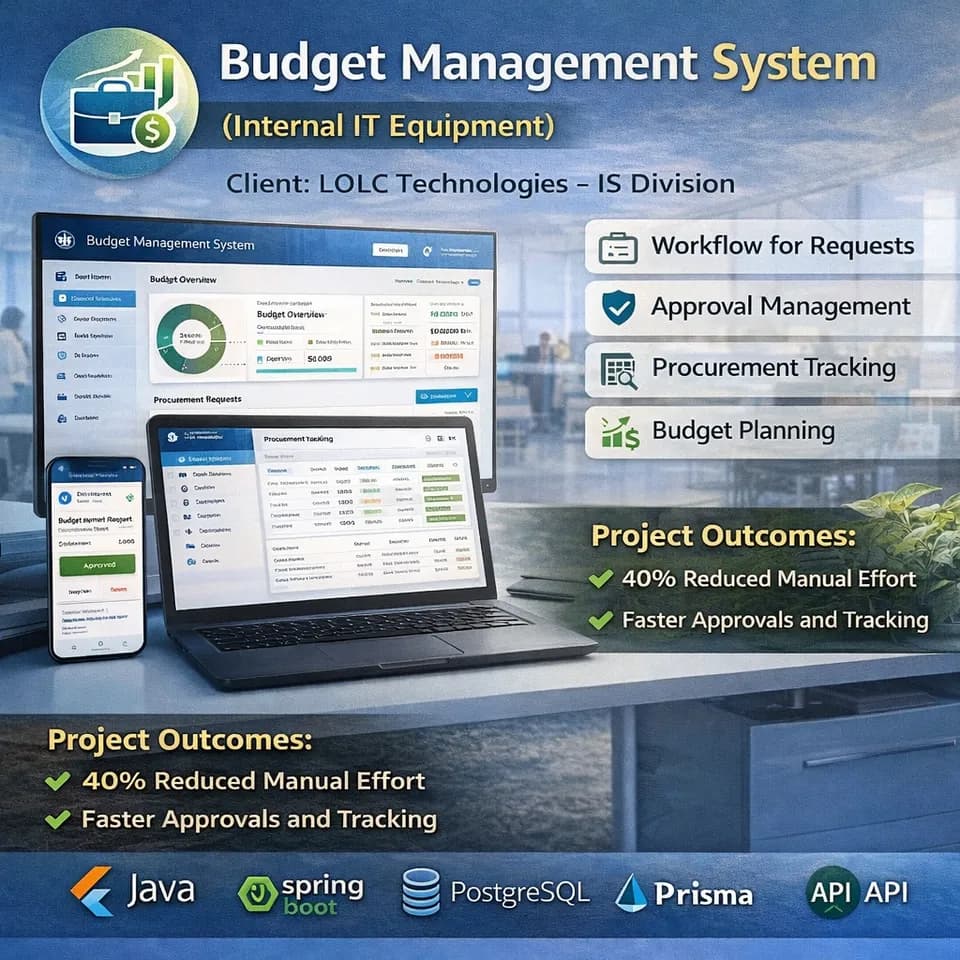
An internal platform supporting IT equipment requests, approvals, procurement tracking and budget planning.
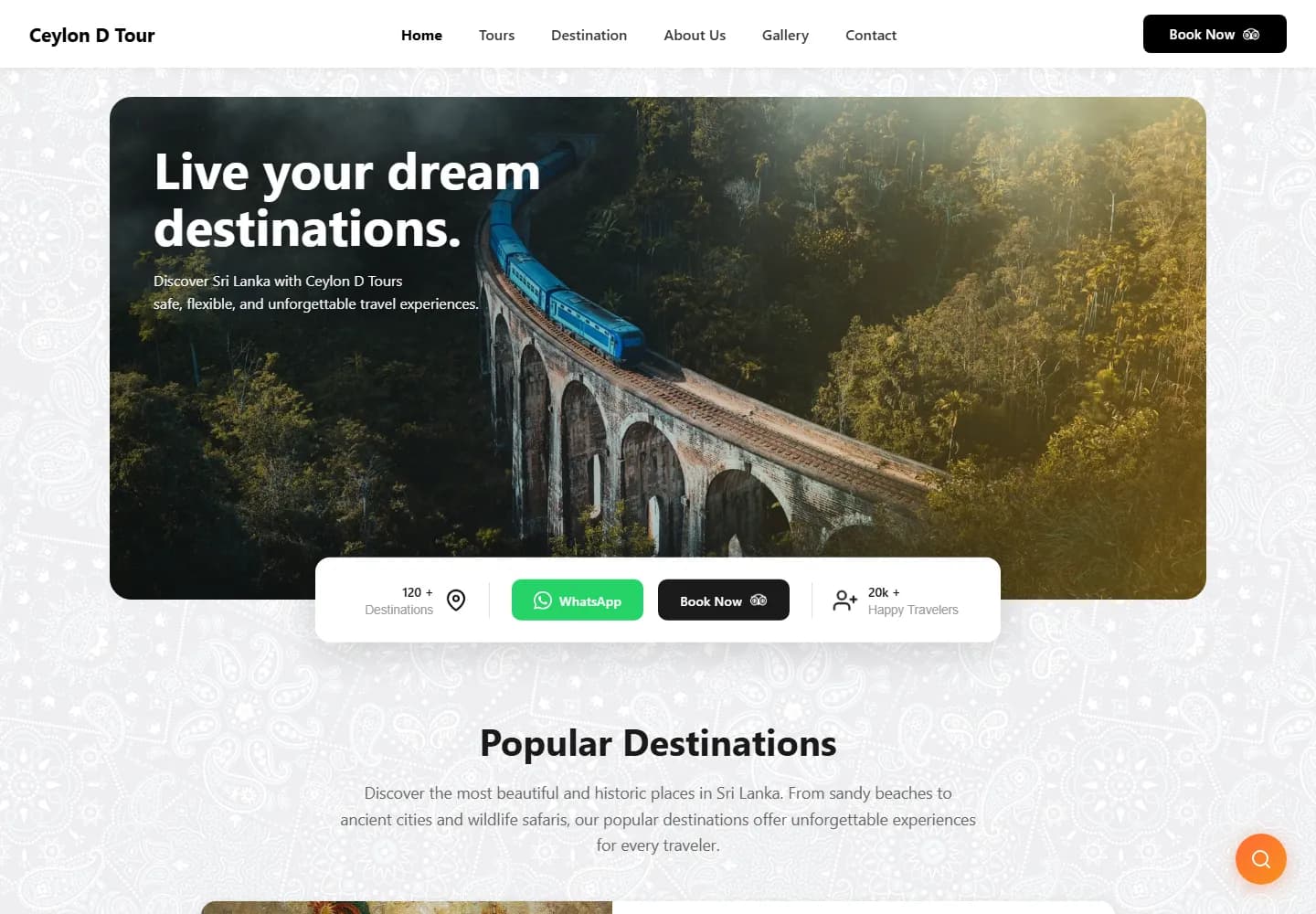
A responsive tourism website with destination discovery, direct enquiries and search foundations, documented in the published client project.
Practical answers about fit, modernisation, scope, integration and ownership.
Custom software is worth considering when the workflow, integration, customer experience, data ownership or competitive requirement is important enough that adapting a generic product creates lasting friction or risk. Discovery should still compare build, buy and integration options.
Yes. A review can identify which parts should be stabilised, refactored, wrapped with APIs, migrated in stages or replaced. Incremental modernisation is often safer than a full rewrite when the existing system holds valuable rules and data.
Yes. The appropriate experience can include responsive web applications, customer or staff portals and cross-platform mobile apps, connected to shared backend services where that architecture fits.
Scope is connected to agreed outcomes, workflows and acceptance examples. Delivery in reviewable stages makes changes visible early, and proposed additions can be prioritised against time, risk and value.
Often, yes. The safest approach depends on available APIs, data ownership, transaction rules and vendor constraints. Direct database integration should be considered carefully because it can bypass important business controls.
Ownership, licensing and access should be stated clearly in the project agreement. The exact commercial terms depend on the engagement and any third-party components used.
Share the users, current tools and outcome you want to improve. We can help define the safest useful next step.