Cloud Operations

Cloud and DevOps automation for reliable software delivery

Create a repeatable path from source code to production with cloud architecture, CI/CD, containers, controlled releases, health visibility and operational practices designed around the application.

Engineering team in Kaduwela, Sri Lanka · Supporting local and international delivery
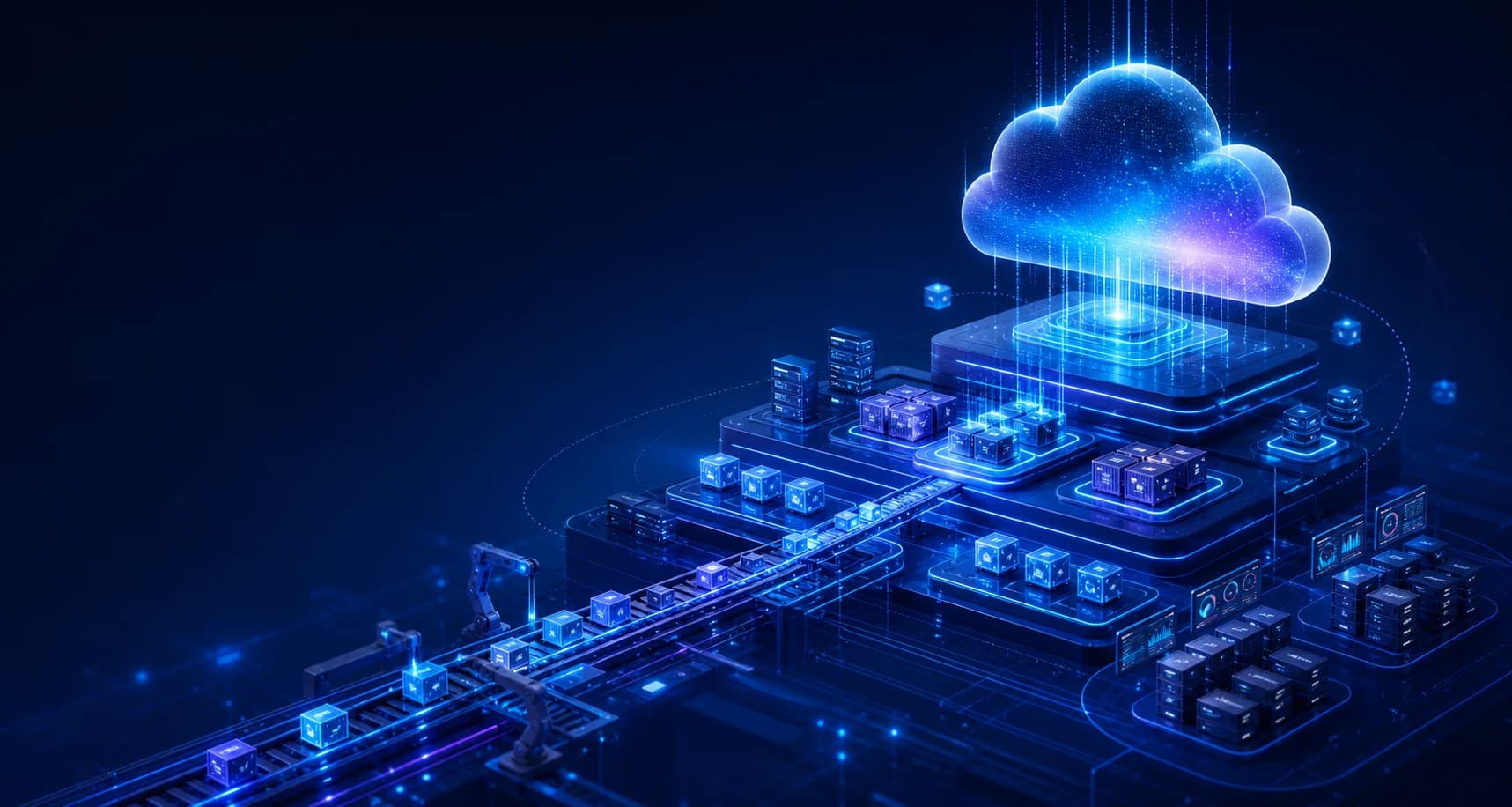
Automated DevOps pipeline connecting source, tests, containers, deployment and cloud monitoring
Engineering and operational deliveryDesigned around users, systems, risk and long-term ownership
CI/CDRepeatable build, test and release workflows
ObservableHealth, logs and performance visibility
RecoverableRollback, backup and response planning
Service overview

Infrastructure, delivery and operations working as one system

DevOps automation reduces fragile manual steps and makes software delivery easier to review, repeat and recover. The service covers environment architecture, build and test pipelines, containerisation, deployment controls, observability, backup thinking and the operational ownership required after launch.

  • Business, user and technical context reviewed together
  • Mobile-responsive, accessible delivery across target devices
  • Architecture, quality and production ownership made explicit
From commit to production

Cloud delivery built for repeatability, visibility and recovery

Twelve views across cloud foundations, release controls, observability and the production systems those practices support.

12Cloud and delivery views

Cloud application infrastructure and operations visualisation
Cloud foundationArchitecture designed for operations

Cloud services organised around availability, recovery, maintainability and accountable ownership.

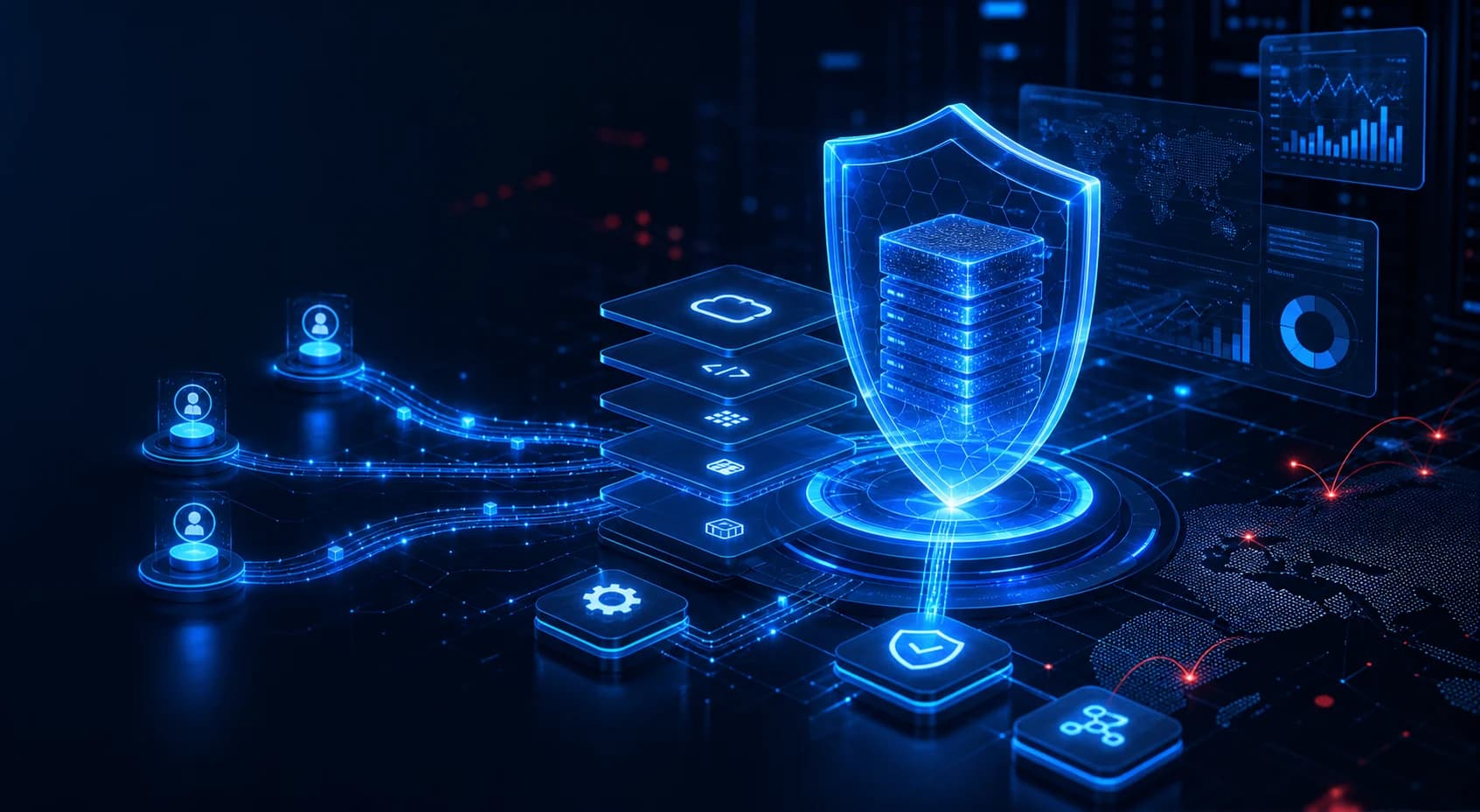
Secure application and protected data infrastructure visualisation
Delivery securityProtection throughout the release path

Access controls, secret boundaries and security checks built into delivery practices.

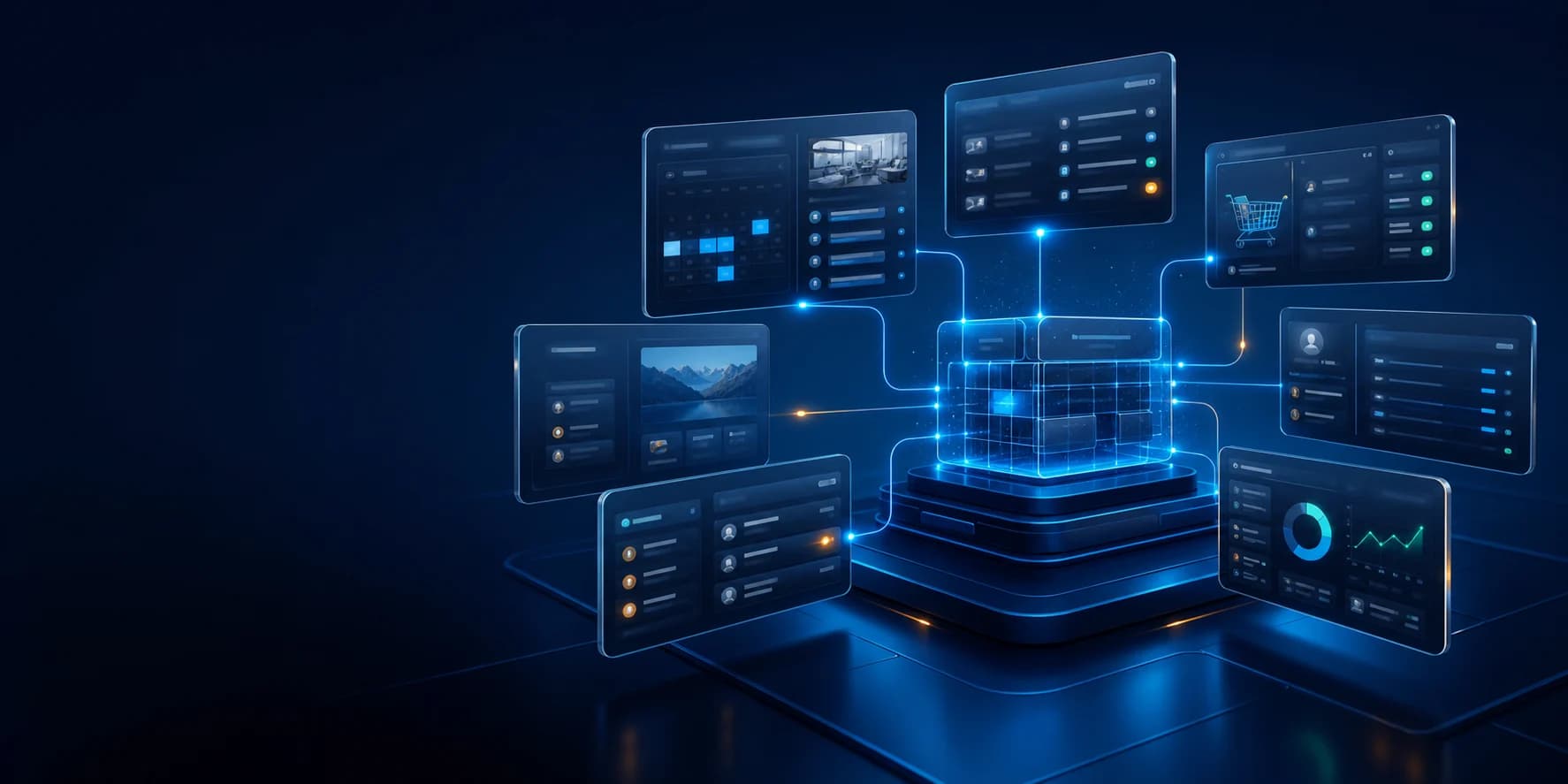
Connected business application modules and operational interfaces
Service topologyApplications and dependencies in context

Clear service boundaries help teams deploy, observe and support connected business platforms.

IT support ticketing and system monitoring dashboard
ObservabilityHealth and incident visibility

Operational dashboards make logs, status, support queues and service priorities visible.

Abstract AI analytics system with connected data models
Data workloadsControlled infrastructure for intelligent services

Scalable runtime and data foundations for automation, analytics and model-backed features.

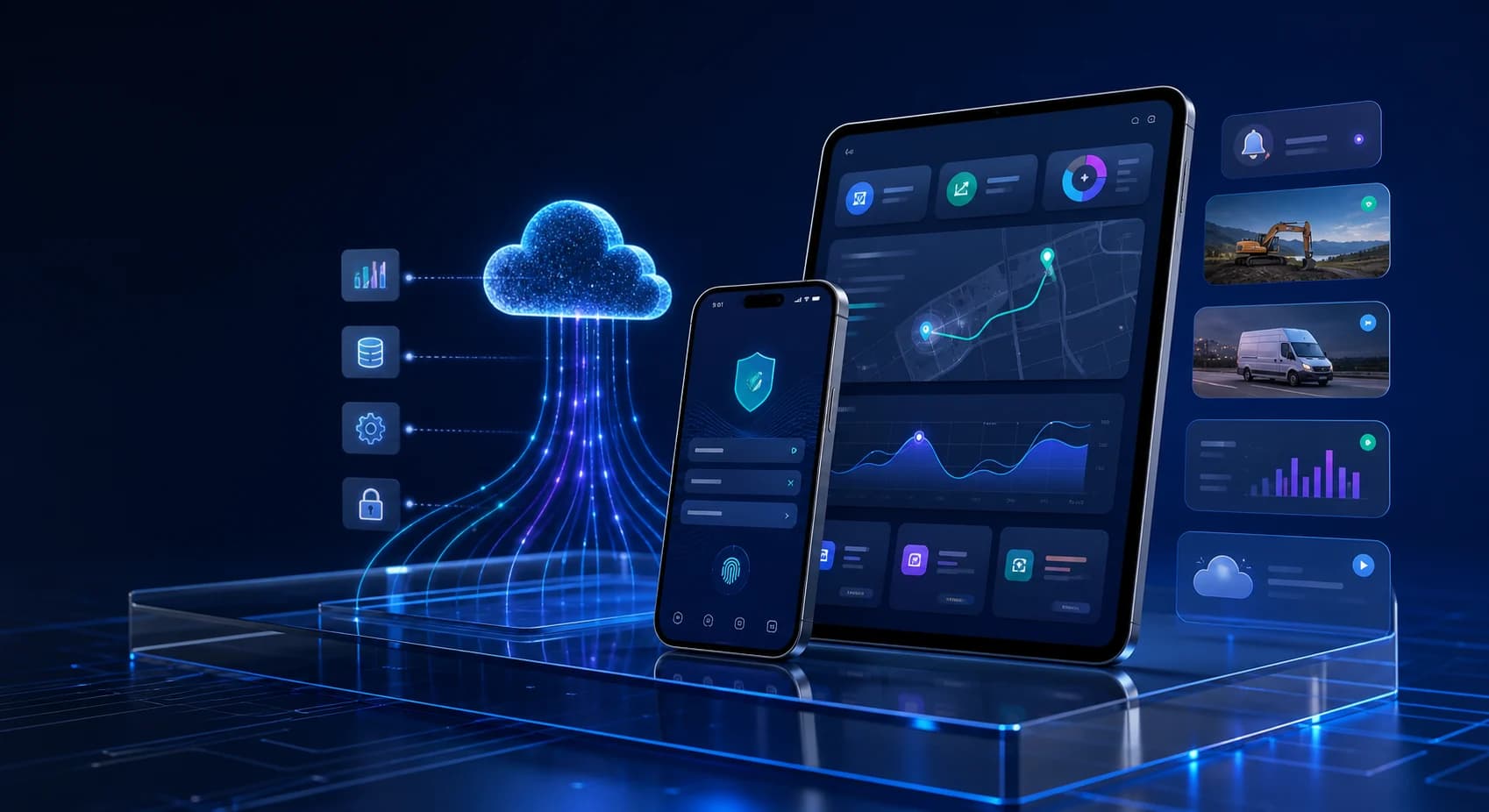
A connected application shown on mobile and tablet devices
Release targetsConsistent delivery across devices

Repeatable release workflows supporting web, mobile and shared application services.

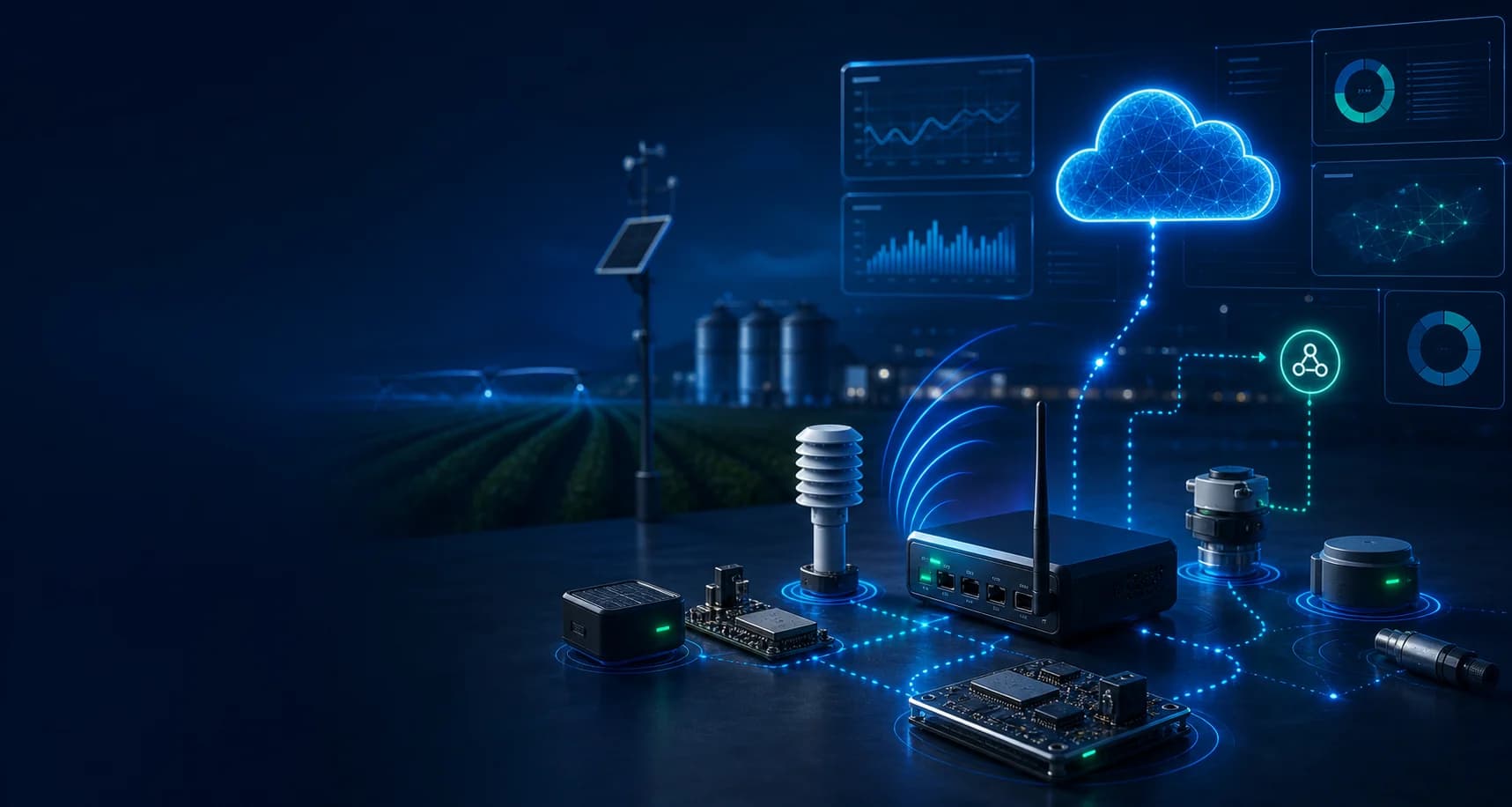
IoT sensors connecting physical operations to a cloud platform
Edge and cloudConnected device operations

Cloud pathways that receive device data, expose health and support operational action.

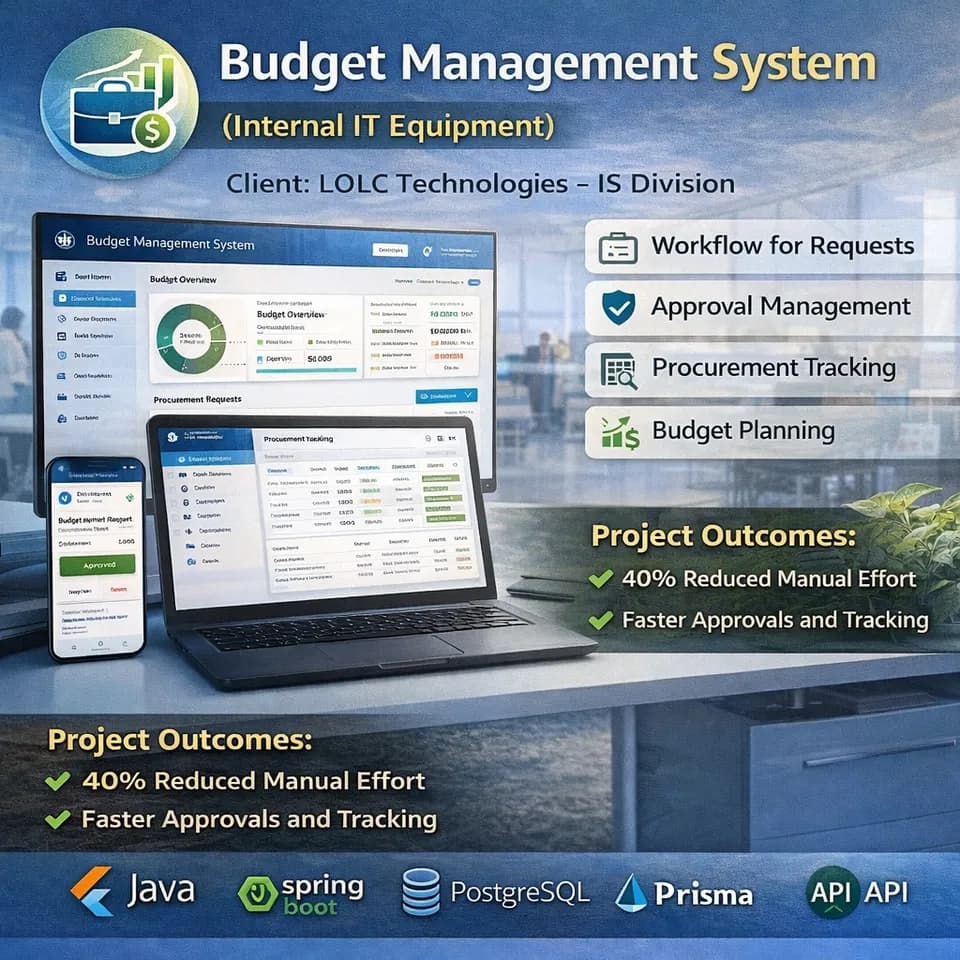
Budget planning and approval workflow dashboard
Change governanceControlled operational workflows

Reviewable approvals and ownership help infrastructure changes remain visible and accountable.

Healthcare appointment and agent operations interface
Production servicesReliable support for active users

Application operations designed around real service journeys, roles and customer demand.

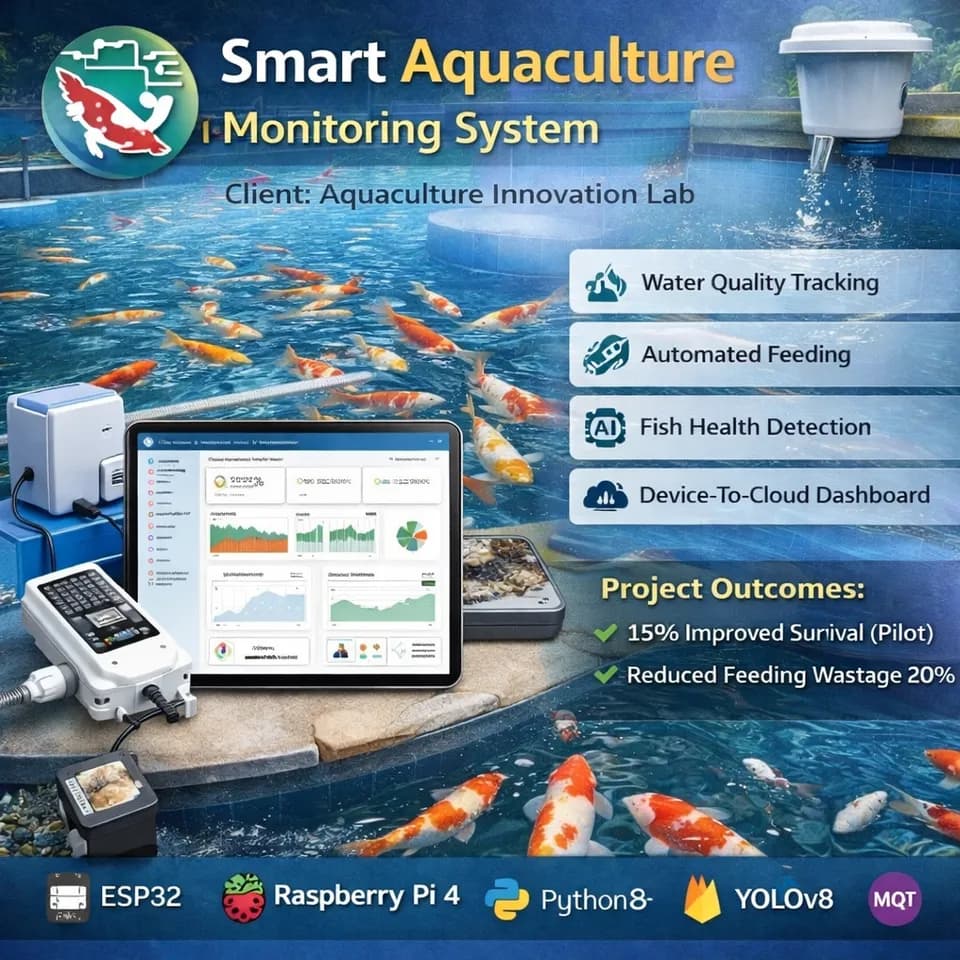
Aquaculture sensor monitoring interface with live operational data
Live telemetrySignals that support fast diagnosis

Current operational data presented clearly for monitoring, alerts and response decisions.

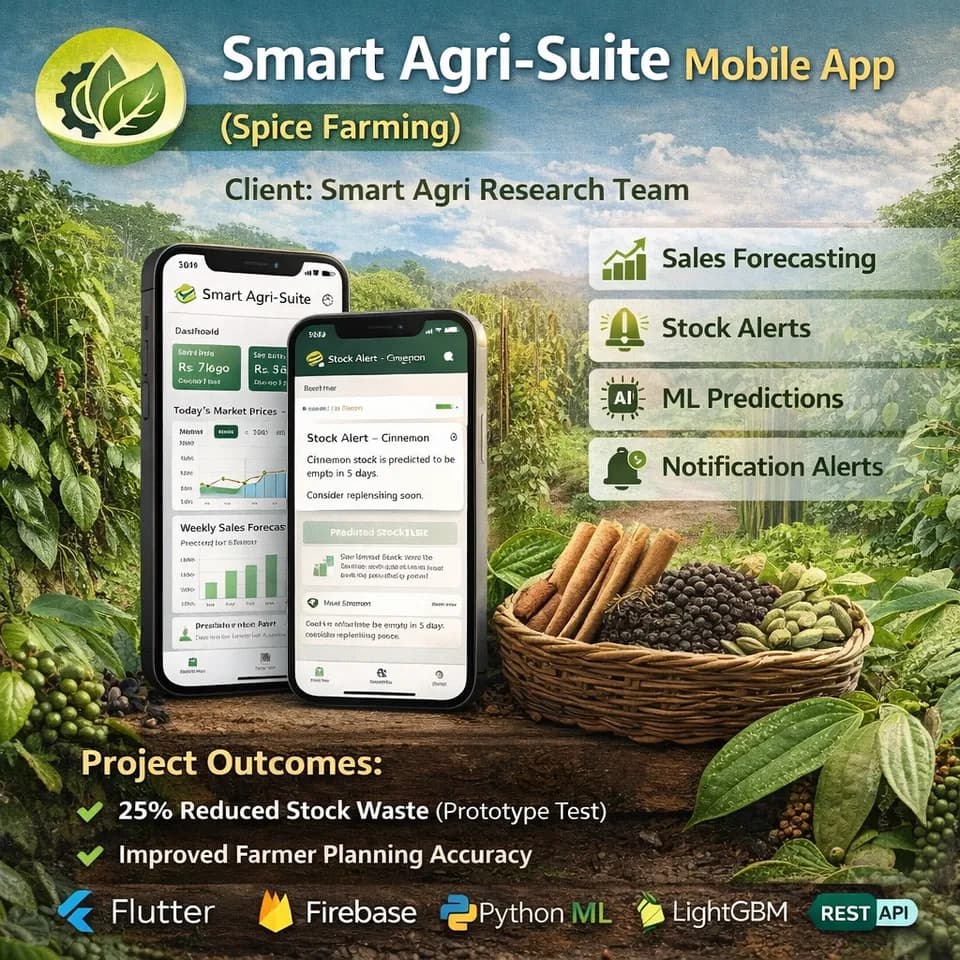
Smart agriculture mobile application screens for crop decisions
Application deliveryCloud services reaching field teams

Production delivery that keeps forecasts, alerts and application data available on mobile.

Tour booking website displayed across desktop and mobile screens
Public workloadsResponsive experiences in production

Web delivery foundations supporting performance, availability and dependable customer access.

What the service covers

Cloud & DevOps Automation capabilities

The final engagement can combine these areas or begin with a focused assessment and prioritised first stage.

01

Cloud foundations and environments

Design networks, compute, storage, managed services, configuration and environment separation around availability, security and cost.

  • AWS-oriented architecture
  • Environment and secret separation
  • Backup and recovery expectations
02

CI/CD and release automation

Build controlled pipelines that compile, test, package and promote software through environments with reviewable evidence.

  • Automated build and test
  • Container image delivery
  • Staged deployment and rollback
03

Observability and production care

Provide the health checks, logs, metrics, alerts and runbooks needed to operate the application after release.

  • Service and dependency monitoring
  • Actionable alert design
  • Incident and capacity visibility
Technology reveal

Tools selected around the service and operating context

Technology is evaluated against integration, maintainability, security, performance, data and support needs. A fashionable tool is not automatically the right operational choice.

Cloud foundation

Cloud components are chosen around service needs, data boundaries, expected load, recovery requirements and the operating team's skills.

AWSManaged ServicesNetworksObject StorageBackup Controls
Containers and runtime

Containers can create consistent packaging and deployment, while orchestration is introduced only when its operational value justifies the complexity.

DockerKubernetesContainer RegistryHealth ChecksRuntime Configuration
Delivery automation

Pipelines create traceable evidence from source revision to deployable artifact and reduce uncontrolled differences between environments.

CI/CDAutomated TestsSecurity ChecksRelease GatesRollback
Observability

Observability is designed around questions operators must answer, not around collecting every possible signal.

Structured LogsMetricsAlertsDashboardsIncident Context
Delivery approach

A controlled path from context to production value

Review points keep scope, architecture, operational readiness and evidence visible throughout delivery.

  1. 01

    Discover the operating context

    Clarify the business outcome, users, current systems, constraints, risks, ownership and evidence required to call the work successful.

  2. 02

    Define scope and architecture

    Turn the discovery findings into boundaries, modules, interfaces, milestones, quality expectations and an implementation path.

  3. 03

    Deliver in reviewable stages

    Build and validate working increments so stakeholders can examine behaviour, data, usability and operational readiness before release.

  4. 04

    Release with operational controls

    Prepare environments, monitoring, documentation, access, rollback expectations and support ownership before production use begins.

  5. 05

    Measure and improve

    Use production evidence, user feedback and service indicators to prioritise improvements without losing architectural discipline.

Practical reference guide

Cloud & DevOps Automation: planning, architecture, delivery and operations

A detailed, answer-ready guide for business owners, product teams, technical leaders and operators evaluating this service.

7 min readPlanning reference
Chapter 01

Current-state assessment and service objectives

How should a DevOps improvement programme begin?

Direct answer: It should begin with a current-state assessment of architecture, delivery flow, failure patterns, ownership, recovery expectations and the service outcomes the organisation wants to improve.

Automation is most useful when it addresses a known source of delay, inconsistency, risk or missing visibility.

Map the path from code change to production, including approvals, credentials, manual hand-offs, environment differences, test evidence, deployment windows, rollback and support escalation.

Create a prioritised improvement backlog that separates immediate stabilisation from foundational changes and optional platform evolution.

Risks include automating a broken process, purchasing tools before defining outcomes, ignoring operational ownership and measuring success only by deployment frequency.

Baseline lead time, change failure, recovery effort, manual steps, environment drift, alert volume and the confidence required to approve a release.

Chapter 02

Cloud architecture and environment design

What should cloud environment architecture define?

Direct answer: Cloud architecture should define service boundaries, networks, identities, data stores, configuration, secrets, environments, scaling behaviour, resilience and ownership at a level the operating team can maintain.

A production environment is an operational product with dependencies, cost, security and lifecycle decisions.

Identify workload shape, traffic, data sensitivity, regional needs, external services, recovery objectives, budget boundaries and the difference between development, test and production.

Use repeatable configuration, documented topology, environment-specific values, least-privilege access and managed services where they reduce justified operational burden.

Risks include public exposure by default, shared credentials, untracked manual changes, oversized resources, fragile single points and architecture more complex than the team can diagnose.

Review configuration drift, availability, utilisation, access changes, environment creation time, recovery tests and whether costs can be attributed to useful service boundaries.

Chapter 03

Continuous integration and build integrity

What does a good continuous integration pipeline do?

Direct answer: A good continuous integration pipeline turns a known source revision into a reproducible artifact while running fast, relevant checks and preserving evidence that can be reviewed before promotion.

Continuous integration provides fast feedback and protects the shared codebase from changes that cannot be built or validated consistently.

Define branch and review practices, build inputs, dependency handling, test levels, artifact naming, cache use, secret boundaries and the conditions that should stop promotion.

Keep pipeline definitions versioned, build once where practical, store immutable artifacts, surface failures clearly and make local and automated expectations reasonably aligned.

Risks include mutable artifacts, unpinned dependencies, hidden credentials, excessively slow checks, ignored failures and pipeline logic that only one person understands.

Track build success, duration, queue time, flaky checks, artifact traceability, failure causes and how quickly a developer receives useful feedback.

Chapter 04

Automated testing and security gates

Where should quality and security checks sit in CI/CD?

Direct answer: Quality and security checks should run as early as useful, with faster deterministic checks before slower environment tests and with release gates proportional to the risk of the change.

A pipeline gate is valuable when it produces actionable evidence and has an understood response, not when it creates noise that teams routinely bypass.

Classify checks by speed, reliability, risk coverage, required environment and ownership, then decide which failures block a change and which create review work.

Combine code quality, unit, integration, selected end-to-end, dependency and configuration checks with clear reports and controlled exceptions.

Risks include false confidence from superficial scans, noisy findings, secrets in logs, broad waivers, brittle end-to-end suites and production promotion despite unresolved mandatory gates.

Review escaped defects, false positives, bypass frequency, remediation time, test stability and whether the gate catches issues at a cheaper stage.

Chapter 05

Containerisation and orchestration

When should an application use Docker or Kubernetes?

Direct answer: Docker is useful for consistent packaging and runtime isolation; Kubernetes is useful when orchestration, scaling and service management needs justify its additional operational complexity.

Container adoption should solve deployment and runtime problems rather than become a goal detached from the application.

Examine process model, persistent data, startup, health, resource needs, configuration, networking, security, scaling and the team's ability to operate the chosen platform.

Build small controlled images, run as a non-privileged user where practical, define health signals, separate configuration and keep state in appropriate managed services.

Risks include oversized images, embedded secrets, missing resource limits, unreliable health checks, stateful workloads treated casually and Kubernetes introduced for a single simple service.

Track image build time, vulnerability status, startup time, restart behaviour, resource utilisation, scheduling failures and operator effort.

Chapter 06

Continuous delivery and release strategies

How can deployments become safer and more repeatable?

Direct answer: Deployments become safer when the same artifact is promoted through controlled environments, configuration is explicit, health is verified, database changes are compatible and rollback or roll-forward decisions are prepared.

Continuous delivery is a capability for keeping software releasable; it does not require every change to reach users immediately.

Define promotion authority, maintenance windows, compatibility, migration order, health checks, traffic switching, feature controls, communication and recovery criteria.

Use rolling, blue-green, canary or staged release patterns according to architecture and risk, with automated verification and clear stop conditions.

Risks include irreversible schema changes, environment-specific builds, missing rollback data, long-running mixed versions, silent partial failure and release ownership that is unclear during an incident.

Review deployment duration, failure and rollback rate, verification time, customer impact, manual intervention and how accurately release evidence predicts production health.

Chapter 07

Observability, logs and actionable alerts

What makes production observability useful?

Direct answer: Observability is useful when operators can connect service health, logs, metrics and request context to answer why a user-facing outcome is slow, failing or behaving unexpectedly.

Collecting telemetry is not enough; signals need consistent meaning, ownership, retention and links to operational decisions.

Identify critical journeys, dependencies, failure modes, service indicators, diagnostic fields, sensitive-data exclusions, alert recipients and the action expected from each alert.

Use structured logs, correlation identifiers, health endpoints, selected metrics, meaningful dashboards and alerts tied to runbooks or investigation paths.

Risks include alert fatigue, high-cardinality cost, sensitive data in logs, dashboards without owners, missing dependency context and thresholds that react to normal variation.

Track alert precision, acknowledgement, diagnosis time, unresolved noisy signals, telemetry cost and the percentage of incidents where existing evidence supported a useful conclusion.

Chapter 08

Reliability, backup and disaster recovery

How should cloud reliability and recovery be planned?

Direct answer: Reliability planning should connect failure scenarios to acceptable service impact, recovery time, data loss tolerance, backup design, restoration evidence and the people authorised to act.

A backup is only a potential recovery asset until restoration has been tested under conditions close enough to the real system.

Classify services and data, define realistic recovery objectives, map dependencies, decide redundancy, document degraded modes and identify communication responsibilities.

Automate backups, protect them from the same failure domain, monitor completion, rehearse restoration, record recovery steps and review architecture against material single points.

Risks include successful backup jobs that cannot restore, shared credentials, undocumented dependencies, unrealistic recovery targets, no decision authority and recovery exercises postponed indefinitely.

Use restore success, recovery duration, backup age, data reconciliation, exercise findings, dependency readiness and closure of improvement actions.

Chapter 09

Cost, governance and platform evolution

How should cloud cost and DevOps governance be managed?

Direct answer: Cloud governance should make ownership, access, resource purpose, cost, change, security and lifecycle visible enough that teams can make informed trade-offs without blocking responsible delivery.

Cost optimisation is a recurring design and operating practice, not a one-time exercise in reducing instance size.

Agree account and environment structure, tagging, budgets, access review, approved patterns, exception handling, decommissioning and the reports needed by technical and financial owners.

Use clear resource naming, cost allocation, automated policy checks where useful, scheduled reviews, right-sizing based on evidence and retirement workflows for unused environments.

Risks include orphaned resources, unowned spend, restrictive policy that drives workarounds, cost cutting that removes resilience and platform upgrades without migration planning.

Review unit cost where meaningful, idle spend, forecast variance, policy exceptions, ownership coverage, decommissioning time and the value delivered by platform improvements.

Related delivered work

Published experience connected to this service

Real projects that demonstrate relevant workflow or technology experience.

IT Support Ticketing & Monitoring Dashboard for Internal Support Team
Internal Support TeamIT Support Ticketing & Monitoring Dashboard

An operations dashboard for application logs, system status, support tickets, severity filters and chart-based reports.

ReactNode.jsGrafanaElastic
Answer-ready guidance

Frequently asked questions about cloud & devops automation

Concise answers to common planning, scope and operating questions.

Does every project need Kubernetes?

No. Kubernetes is appropriate when orchestration, scale, service topology or organisational needs justify its operating complexity. Simpler container or managed-platform deployment is often the better choice for a small application.

Can you improve an existing cloud setup?

Yes. Work can begin with an assessment of architecture, access, delivery, observability, backup and cost, followed by prioritised improvements rather than an automatic rebuild.

What is included in a CI/CD pipeline?

A pipeline can include build, automated tests, quality and dependency checks, artifact creation, environment promotion, deployment, health verification and controlled approvals. The exact stages depend on risk and architecture.

Can DevOps automation reduce downtime?

It can reduce avoidable deployment inconsistency, speed diagnosis and support safer recovery. It cannot guarantee zero downtime; reliability also depends on application design, dependencies, capacity and operating practices.

Do you provide cloud monitoring?

Monitoring and observability can be included, covering service health, logs, selected metrics, dashboards and alerts designed around the support process.

Which cloud provider do you support?

The published Keen Systems stack includes AWS. Container and application practices can also support portability, but provider-specific scope should be confirmed during discovery.

Start with the operating problem

Planning a cloud & devops automation engagement?

Share the system context, users, current constraints and outcome you want to improve. The first conversation can focus on the most useful next step.