Forecasting and prediction
Demand, yield, stock, risk or operational forecasts built from relevant historical signals and evaluated against clear business outcomes.
- Time-series forecasting
- Classification and scoring
- Model evaluation and monitoring
KEEN SYSTEMSGet a QuoteTurn operational data into forecasts, alerts and automated actions. We design AI and machine learning features that connect to the systems teams already use instead of becoming a disconnected experiment.

We begin with the business decision that needs to improve, assess whether the available data can support it, and select the simplest reliable approach. The result can be a prediction API, an intelligent dashboard, a workflow assistant or an automated action inside an existing platform.
A focused delivery scope can combine the capabilities below or start with the highest-priority operational need.
Demand, yield, stock, risk or operational forecasts built from relevant historical signals and evaluated against clear business outcomes.
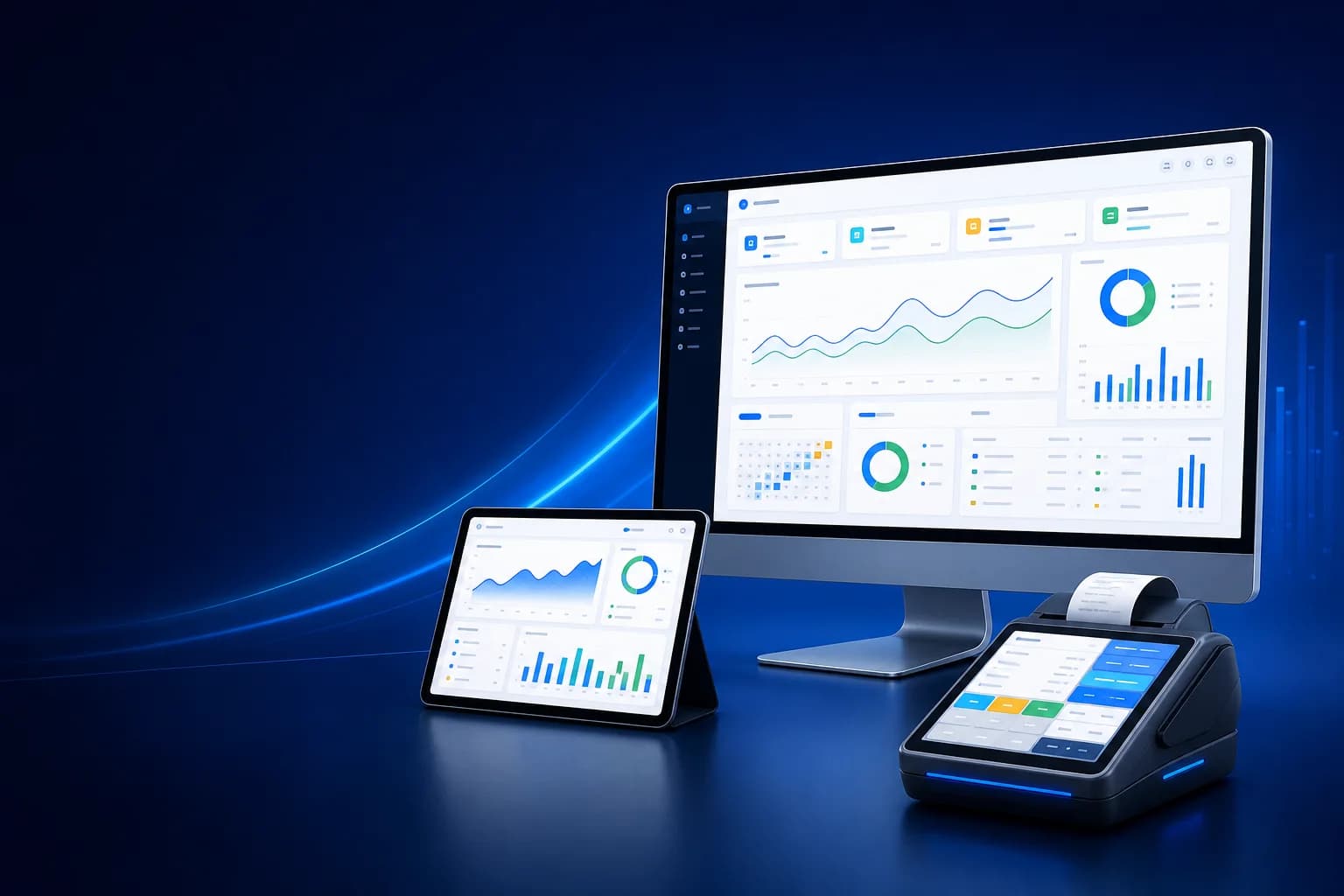
Decision views that explain patterns, surface anomalies and help teams act without manually combining reports.
Automation layers that translate model output into review queues, notifications or controlled actions inside existing workflows.
Examples of the operational problems this solution can be designed to support.
Estimate future product demand, highlight likely stock pressure and support purchasing teams with better planning signals.
Detect unusual patterns across transactions, sensor readings or business processes and route them to the right team.
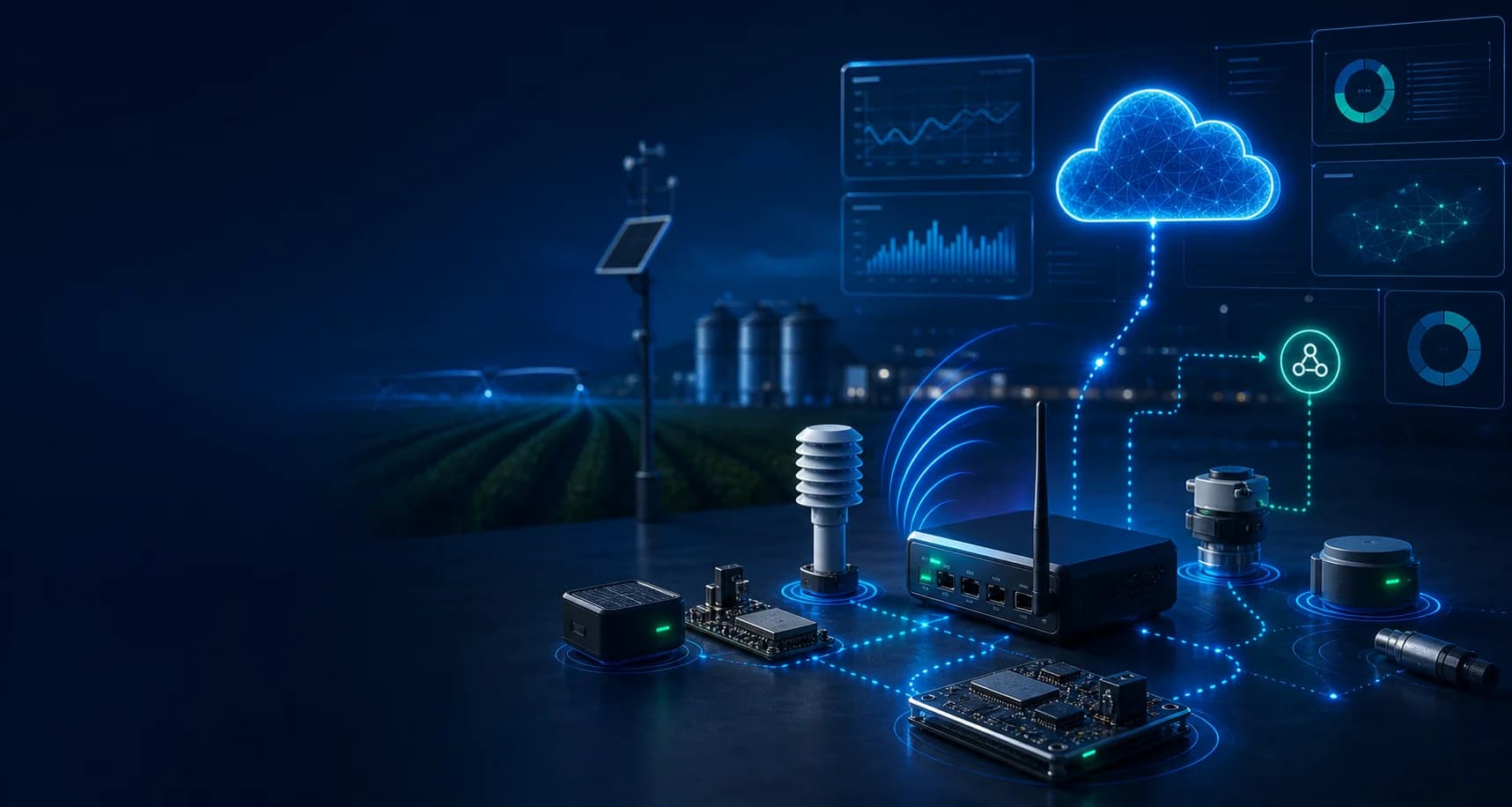
Combine historical records, field observations and sensor data to support forecasting and timely interventions.
Add prediction, summarisation or decision-support functions to a current web platform, mobile app or ERP workflow.
Technology choices are made around integration needs, data boundaries, operating conditions and the team that will maintain the system—not a one-size-fits-all checklist.
A staged path keeps the important decisions visible and gives teams review points throughout delivery.
We map the business goal, current systems, available data, users, risks and practical constraints before recommending an approach.
The solution is broken into clear modules, integrations, milestones and acceptance criteria so the delivery path stays visible.
We develop in reviewable stages, connect the required systems and validate the important workflows, security controls and edge cases.
After release, we support production use, monitor the system and improve it using real operational feedback.
Published work that demonstrates relevant technology or workflow experience.

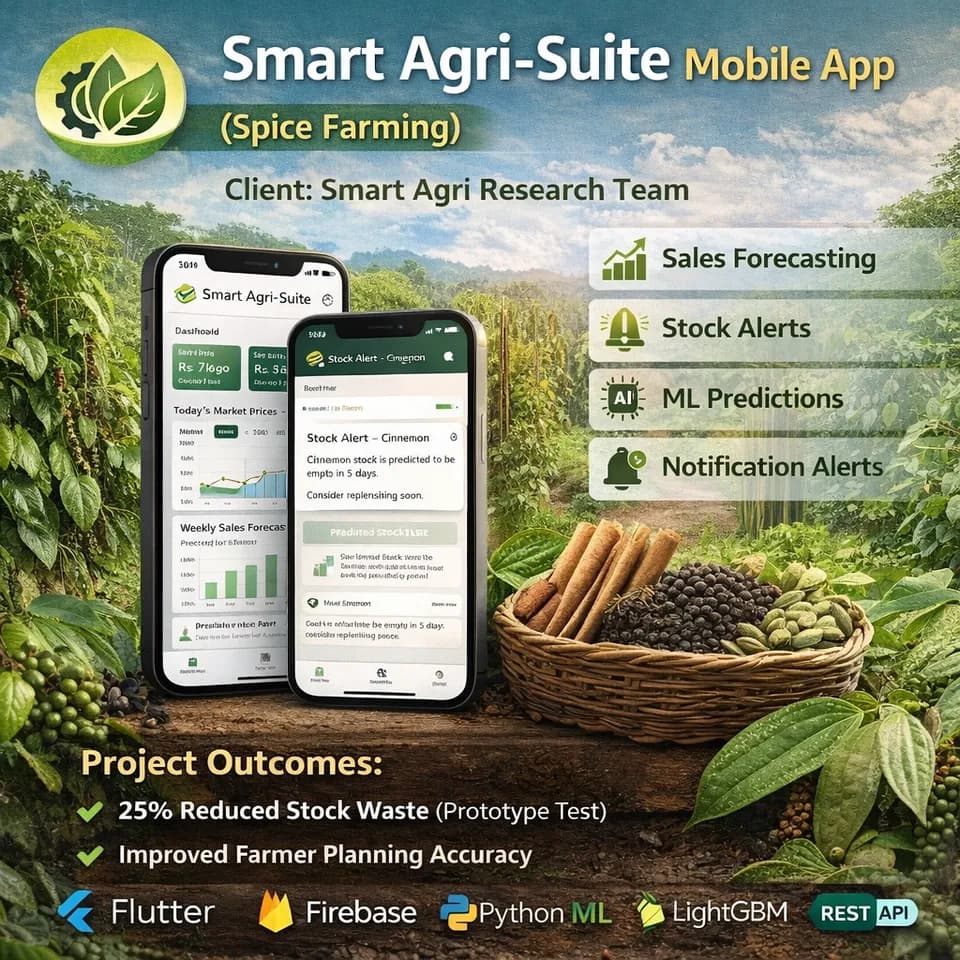
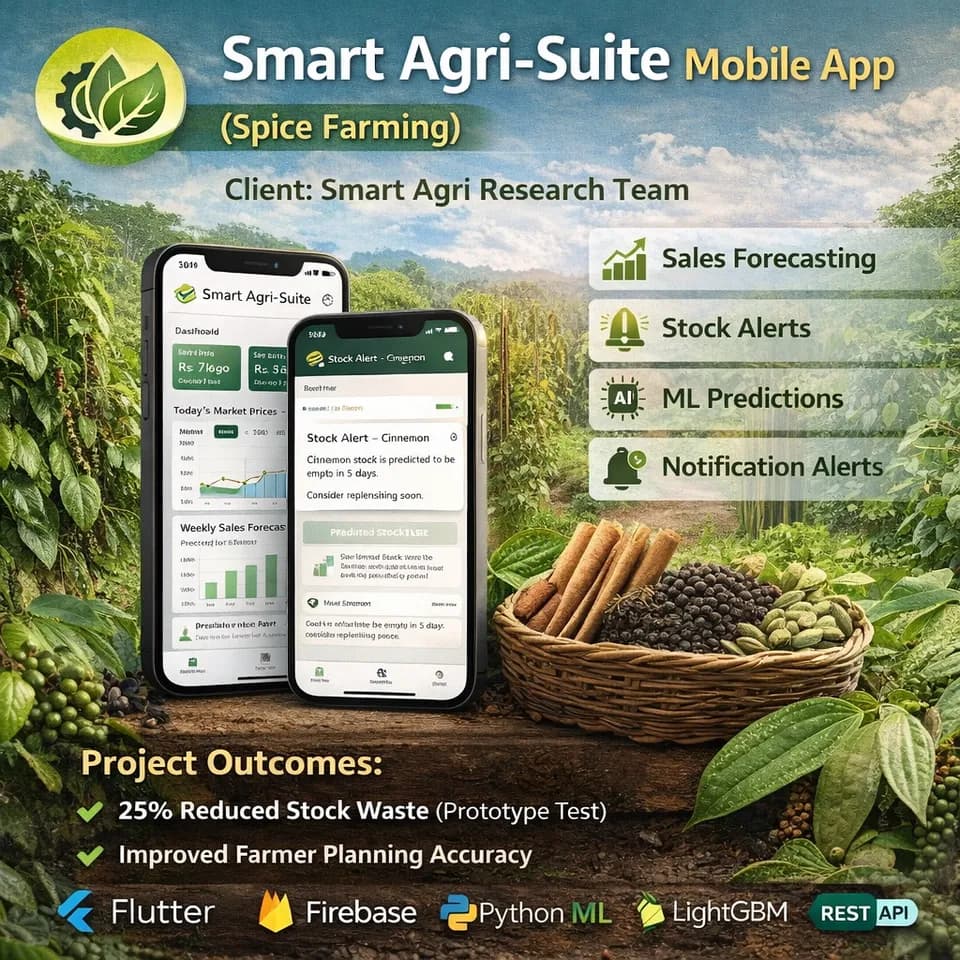
A farmer-support application for spice farming with forecasting, stock alerts, machine learning predictions and notifications.
Clear answers to the questions teams commonly ask before scoping a project.
Both approaches are possible. When historical business data supports forecasting or classification, we can train a focused model around that data. When a proven external AI service is more reliable and economical, we can integrate it with suitable controls.
The requirement depends on the decision being improved. Useful sources often include historical transactions, operational records, sensor readings or labelled outcomes. We assess completeness, relevance and data quality before proposing a model.
Yes. A model can be exposed through a secure API or embedded into a dashboard and workflow, including Keen Systems ERP / ePOS where the use case and integration scope are suitable.
We define confidence thresholds, human review points, activity records and fallbacks based on the risk of the decision. Higher-impact actions should remain reviewable rather than operating as an unexplained black box.

Tell Keen Systems what you need to improve, what systems are already in place and who will use the solution.